
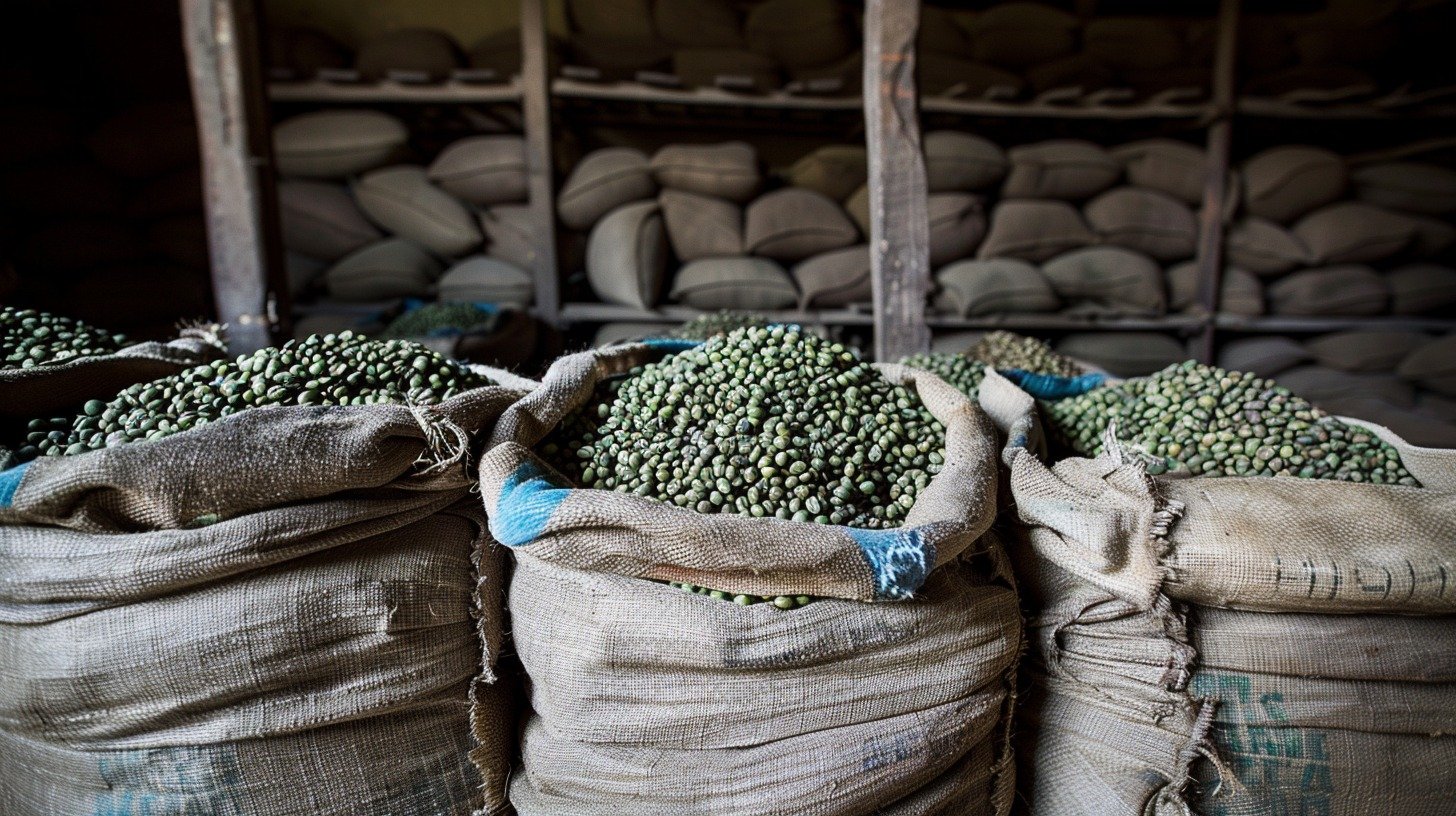
Importing coffee from Africa to the United Kingdom is an exciting venture that combines the rich flavors of African coffee with the diverse coffee culture in the UK. This process offers opportunities for businesses and coffee enthusiasts alike to explore unique coffee profiles and support sustainable practices. In this article, we’ll explore the essential steps and considerations involved in importing coffee from Africa to the UK, providing practical advice and insights to help you succeed.
Africa is renowned for its diverse coffee-growing regions, each offering distinct flavors and characteristics. From the fruity notes of Ethiopian Yirgacheffe to the rich, bold flavors of Kenyan AA, African coffees are celebrated for their quality and variety. Importing these coffees to the UK involves understanding the complexities of international trade, navigating legal requirements, and building relationships with suppliers. Whether you’re a seasoned importer or new to the coffee business, this guide will provide valuable information to help you make informed decisions. You can explore available options through our green coffee selection.
Understanding the import coffee UK process is crucial for anyone looking to bring African coffee to British consumers. This involves more than just selecting the right beans; it requires careful planning, compliance with regulations, and effective logistics management. By exploring the coffee import process in detail, you’ll gain the knowledge needed to successfully import African coffee, ensuring that it reaches your customers in perfect condition.
Import Coffee UK
Importing coffee into the UK is a process that requires careful consideration and planning. The UK is one of the largest coffee markets in Europe, and its consumers are known for their appreciation of quality coffee. To successfully import coffee from Africa, it’s essential to understand the legal and logistical aspects involved.
First, you’ll need to familiarize yourself with the UK import regulations. The UK government has specific requirements for importing agricultural products, including coffee. These regulations are designed to ensure food safety and quality. You’ll need to comply with standards set by the Food Standards Agency (FSA) and other relevant bodies. This includes providing documentation such as phytosanitary certificates, which confirm that the coffee meets health and safety standards.
Next, consider the logistics of transporting coffee from Africa to the UK. Shipping coffee requires careful planning to ensure that the beans arrive in good condition. You’ll need to choose the right shipping method, whether by sea or air, and work with reliable freight forwarders who understand the coffee trade. The choice between sea and air freight will depend on factors such as cost, time, and the specific needs of your business. Professional support in this area can be found through our export and logistics services.
Building relationships with suppliers is another critical aspect of the import process. Establishing strong connections with coffee producers in Africa can help you secure high-quality beans at competitive prices. It’s essential to communicate clearly with your suppliers and understand their capabilities and limitations. Visiting coffee farms and attending trade shows can be valuable ways to build these relationships and gain insights into the coffee production process.
Finally, consider the financial aspects of importing coffee. This includes understanding import duties, taxes, and other costs associated with bringing coffee into the UK. Working with a customs broker can help you navigate these complexities and ensure that you comply with all legal requirements.
Coffee Import Process UK
The coffee import process in the UK involves several key steps, each requiring careful attention to detail. Understanding these steps will help you navigate the complexities of international trade and ensure a smooth import experience.
The first step in the coffee import process is selecting the right coffee beans. African coffee offers a wide range of flavors and profiles, so it’s essential to choose beans that align with your brand and target market. Consider factors such as flavor notes, origin, and processing methods when selecting your coffee. Working with a coffee trader or consultant can help you make informed decisions and find the best beans for your business.
Once you’ve selected your coffee, you’ll need to arrange for its transportation to the UK. This involves coordinating with freight forwarders, shipping lines, and customs agents to ensure that the coffee is transported safely and efficiently. It’s essential to choose the right shipping method based on your budget, timeline, and quality requirements. Sea freight is often more cost-effective for large shipments, while air freight may be preferred for smaller, high-value shipments.
Customs clearance is another critical step in the coffee import process. You’ll need to provide the necessary documentation to UK customs authorities, including invoices, packing lists, and certificates of origin. Working with a customs broker can help you navigate this process and ensure that your coffee complies with all legal requirements.
Once your coffee has cleared customs, you’ll need to arrange for its storage and distribution. This may involve working with a third-party logistics provider to store your coffee in a warehouse and distribute it to your customers. It’s essential to ensure that your coffee is stored in optimal conditions to preserve its quality and freshness.
Finally, consider the marketing and sales aspects of your coffee import business. Building a strong brand and marketing strategy will help you reach your target audience and differentiate your product in the competitive UK coffee market. If you are ready to move forward, you can request a coffee supply quote.
African Coffee Export
Exporting coffee from Africa involves various considerations and challenges. Africa is home to some of the world’s most renowned coffee-growing regions, and its coffee is highly sought after for its unique flavors and characteristics. Exporting coffee from Africa to the UK requires understanding the intricacies of the African coffee industry and building strong relationships with local producers.
One of the first steps in exporting African coffee is identifying the right coffee-growing regions and producers. Africa’s coffee landscape is diverse, with countries like Ethiopia, Kenya, and Uganda offering distinct coffee profiles. It’s essential to research and understand the specific characteristics of each region to select the right coffee for your business. Building relationships with local producers and cooperatives can help you secure high-quality beans and gain insights into the production process.
Understanding the regulatory environment in African countries is also crucial for successful coffee export. Each country has its own set of regulations and requirements for exporting coffee, including quality standards, export licenses, and documentation. Working with local partners and consultants can help you navigate these complexities and ensure compliance with all legal requirements.
Logistics and transportation are critical aspects of the coffee export process. You’ll need to arrange for the safe and efficient transportation of coffee from Africa to the UK, considering factors such as shipping methods, lead times, and costs. Collaborating with experienced freight forwarders and logistics providers can help you manage these challenges and ensure that your coffee arrives in the UK in perfect condition.
Sustainability is an increasingly important consideration in the coffee export industry. Many consumers in the UK are interested in ethically sourced and environmentally friendly coffee. Supporting sustainable practices and certifications, such as Fair Trade and Rainforest Alliance, can enhance your brand’s reputation and appeal to conscious consumers.
Green Coffee Import UK
Importing green coffee into the UK involves specific considerations and requirements. Green coffee refers to unroasted coffee beans, which are imported and then roasted by local roasters. Understanding the nuances of green coffee importation can help you tap into the growing demand for specialty coffee in the UK.
One of the first considerations when importing green coffee is selecting the right beans. Green coffee offers a wide range of flavors and profiles, and it’s essential to choose beans that align with your brand and target market. Consider factors such as origin, processing methods, and flavor notes when selecting your green coffee.
The transportation and storage of green coffee are critical to preserving its quality. Green coffee is sensitive to environmental conditions, and it’s essential to store it in a cool, dry place to prevent spoilage. Working with experienced logistics providers can help you manage these challenges and ensure that your green coffee arrives in the UK in optimal condition.
Customs clearance is another important aspect of green coffee importation. You’ll need to provide the necessary documentation to UK customs authorities, including invoices, packing lists, and certificates of origin. Working with a customs broker can help you navigate this process and ensure compliance with all legal requirements.
Building relationships with local roasters is a valuable strategy for green coffee importers. Collaborating with roasters can help you understand the specific needs and preferences of the UK coffee market and tailor your offerings accordingly. Attending trade shows and networking events can be effective ways to connect with roasters and build partnerships. Learn more about our background and sourcing approach on our story and sourcing approach.
Finally, consider the marketing and sales aspects of your green coffee import business. Developing a strong brand and marketing strategy will help you reach your target audience and differentiate your product in the competitive UK coffee market. Consider factors such as packaging, pricing, and distribution channels when developing your marketing plan.
Conclusion
Importing coffee from Africa to the United Kingdom is a rewarding endeavor that offers opportunities to explore unique coffee flavors and support sustainable practices. By understanding the complexities of the import process, building strong relationships with suppliers, and complying with legal requirements, you can successfully bring African coffee to the UK market.
Whether you’re importing roasted or green coffee, careful planning and attention to detail are essential to ensure a smooth import experience. By focusing on quality, sustainability, and effective marketing, you can differentiate your product and build a successful coffee import business.
With the right approach and dedication, importing coffee from Africa to the UK can be a fulfilling and profitable venture, allowing you to share the rich flavors of African coffee with British consumers.